

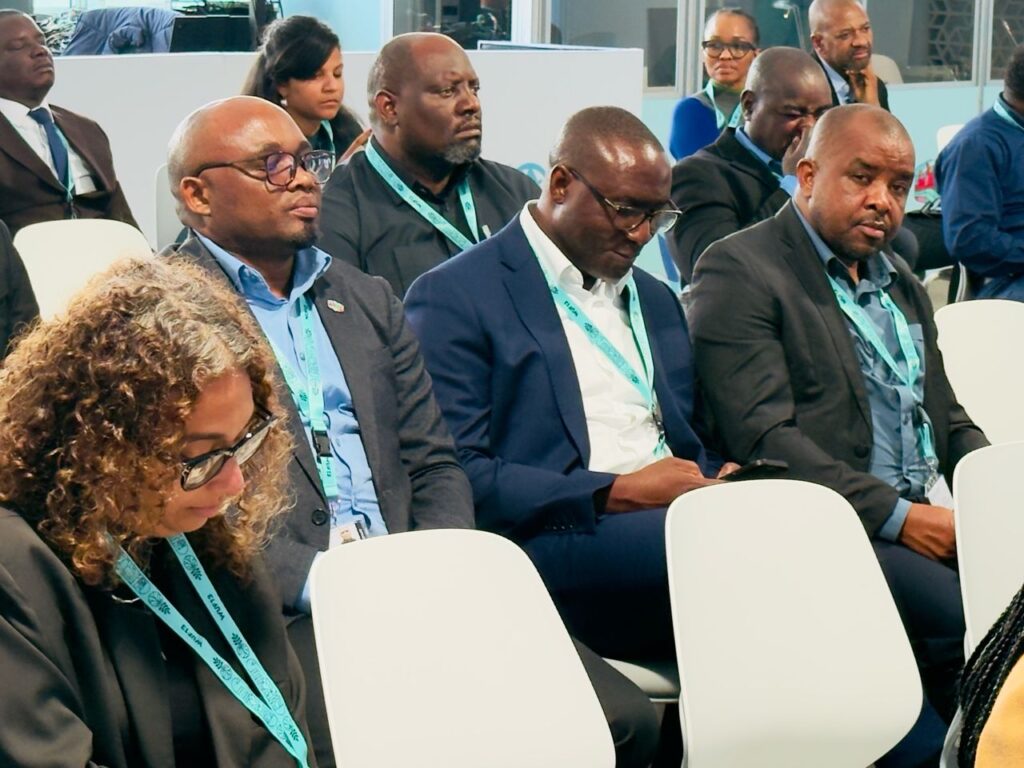
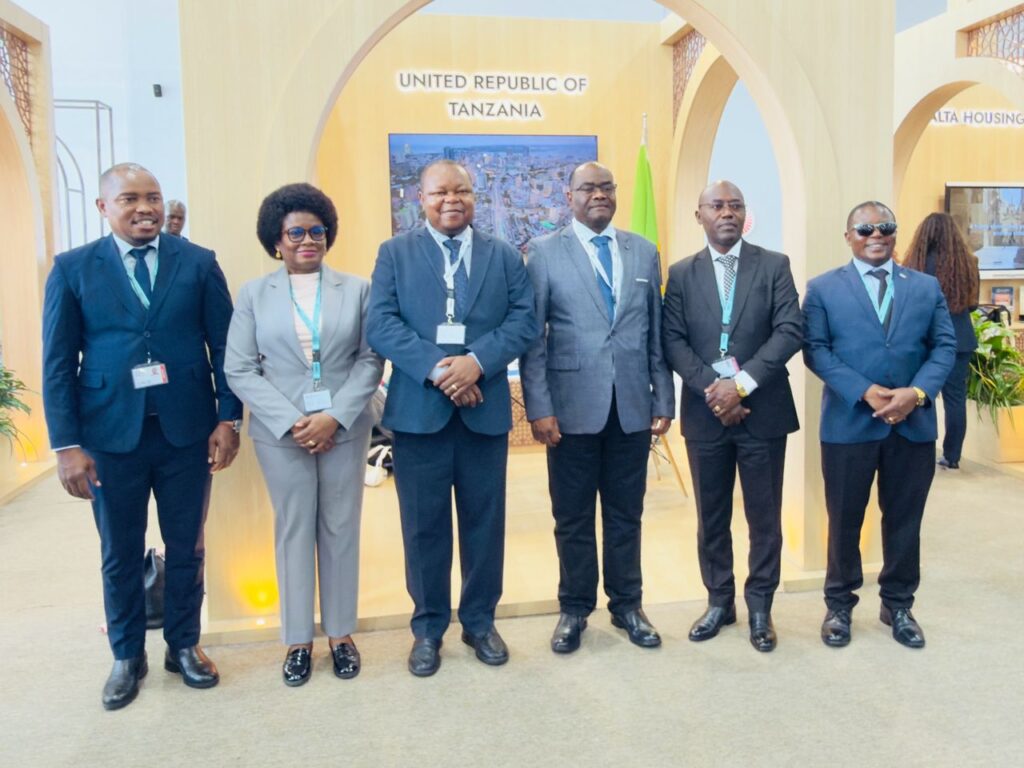
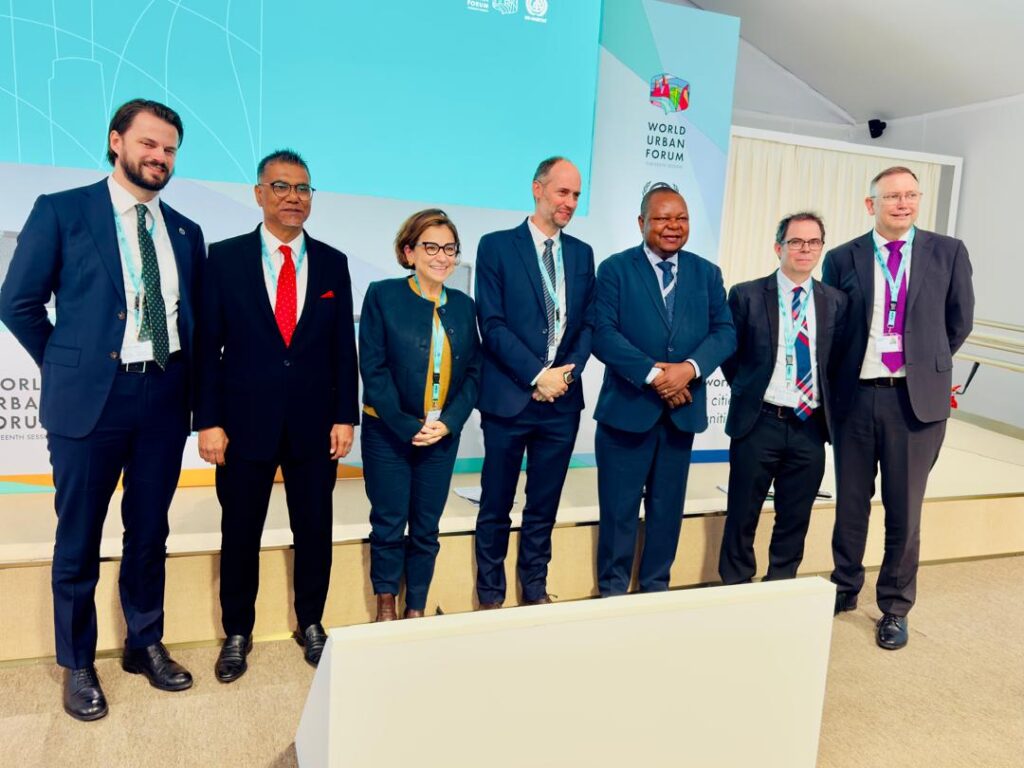
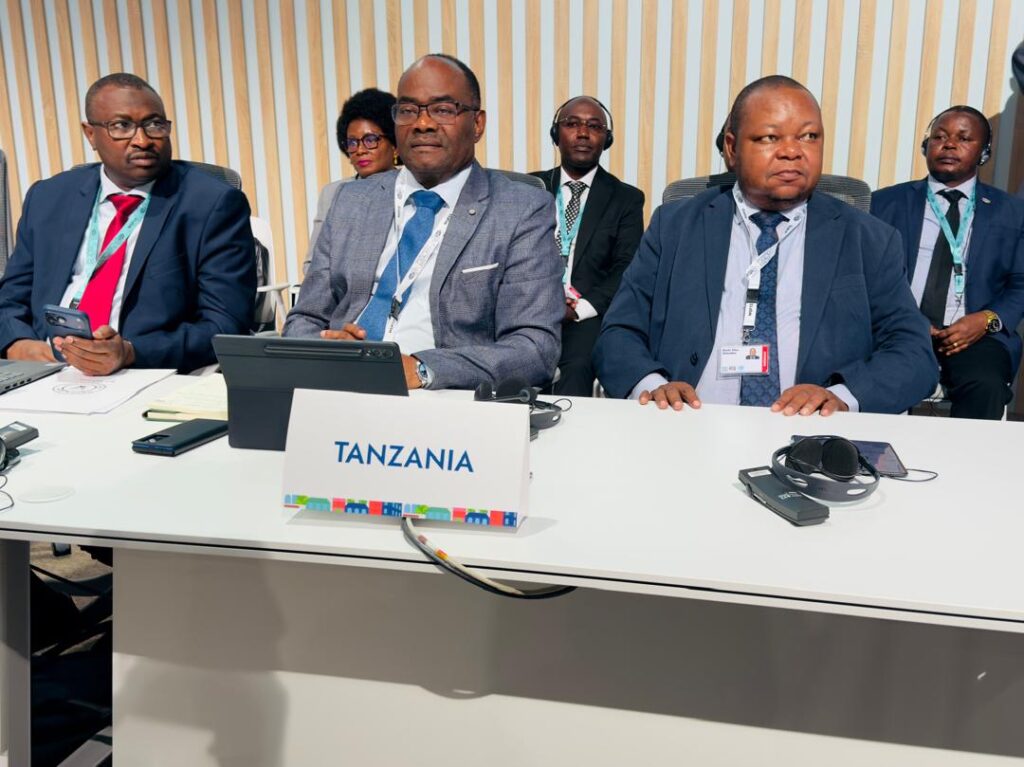
BAKU, AZERBAIJAN: Inside the high-stakes ministerial roundtables of the 13th World Urban Forum (WUF13), global leaders and urban planners wrestled with a defining question: How can rapidly expanding cities protect their people from climate chaos without bankrupting their futures?
When Hon. Prof. Riziki Shemdoe, Tanzania’s Minister of State for Regional Administration and Local Government (PO-RALG), took the stage, he provided a definitive answer. He didn’t just present policy theories; he unveiled a $260 million living blueprint for climate adaptation that turned the lower Msimbazi River Basin into a global gold standard for urban resilience.
For years, the Msimbazi Basin in Dar es Salaam represented an agonizing climate vulnerability. Every intense rainy season, severe flash floods turned the vital Morogoro Road corridor into an impassable lake. The city’s Bus Rapid Transit (BRT) network was paralyzed, economic productivity ground to a halt, and informal settlements on the urban periphery bore the devastating brunt of the water.
The Masterstroke: Engineering with Nature, Not Against It
The Msimbazi Basin Development Project represents a massive shift in how developing nations approach infrastructure. Instead of forcing a volatile river into rigid concrete constraints, Tanzania is redesigning the city landscape to coexist with nature.
By widening and deepening the river channel, engineers are multiplying its capacity to handle catastrophic flood waters. Simultaneously, the project is leveraging massive civil engineering upgrades to protect the city’s transport and economic spine.
The 390 Meter Elevated Jangwani Bridge: Rising roughly eight meters above the basin floor, this upcoming infrastructure marvel ensures that Dar es Salaam’s primary transit corridor and BRT lines remain completely dry, operational, and connected during a 100-year flood event.
The 60 Hectare Urban Retention Park: By converting a historically hazardous, flood-prone zone into a lush green lung for the city, the park safely holds excess stormwater during peak deluges.
“The Msimbazi project isn’t just about water management,” Prof. Shemdoe explained to an attentive international audience in Baku. “The creation of this 60-hectare urban green park for flood retention stabilizes the environment. In doing so, it is projected to catalyze $900 million in private investment in surrounding real estate, retail spaces, and resilient housing.”
The Periphery Priority: Planning Before the Sprawl
Tanzania’s presentation tied the Msimbazi flagship directly into its broader national strategy for Sub-Saharan Africa’s urban awakening. Prof. Shemdoe emphasized that horizontal growth at city peripheries is Tanzania’s most urgent challenge.
“When expansion occurs without advance planning, it creates sprawling, informal settlements that lack basic services,” Prof. Shemdoe noted. “Retrofitting these peripheral zones with infrastructure after they are built is significantly more expensive than planning them in advance.”
To scale this vision beyond Dar es Salaam, Tanzania is deploying a series of interconnected multi-billion-shilling programs across the country:
- The TACTIC Project: Replicating resilient infrastructure, drainage, and modern public markets across 45 rapidly growing urban local government authorities.
- The DMDP II Program: Continuing the aggressive expansion of climate-proof roads, sanitation networks, and competitive services across metropolitan Dar es Salaam.
- The SASA Programme: Implementing targeted “Sustainable and Sensitive” urban growth and waste management frameworks in secondary coastal cities like Mwanza and Tanga.
From Participation to Leadership: A Blueprint for Africa
A key theme echoing through WUF13 was that heavy engineering means very little without strong institutional governance to protect it. To prevent upstream environmental degradation from clogging downstream investments, Tanzania announced that it is rewriting its regulatory framework.
The government is establishing dedicated metropolitan authorities with teeth, including the Dar es Salaam Metropolitan Authority (DMSA), the Msimbazi Special Planning Area Authority, and an Integrated Solid Waste Management Authority. Supported by advanced GIS digital planning and strict development guidelines, these bodies ensure that infrastructure victories are protected, maintained, and replicated.
As the curtains draw on the Baku roundtables, Tanzania’s presentation leaves a lasting mark on WUF13. By showing that flood protection can unlock massive private investment, create spaces for youth entrepreneurs, and build reliable transit networks, the Msimbazi project proves that Sub-Saharan cities can out-plan the sprawl.
Under the coordination of PO-RALG, Tanzania has shown the world that it is no longer merely participating in the global conversation on urban resilience, it is actively leading it.