

On 16/09/2026 marked the successful launch of the Financial Literacy Training (FLT) for Project Affected Persons (PAPs) under the Msimbazi Basin Development Project. The initiative is strategically designed to strengthen participants’ practical knowledge and confidence in managing their finances, ensuring long-term economic resilience and stability.
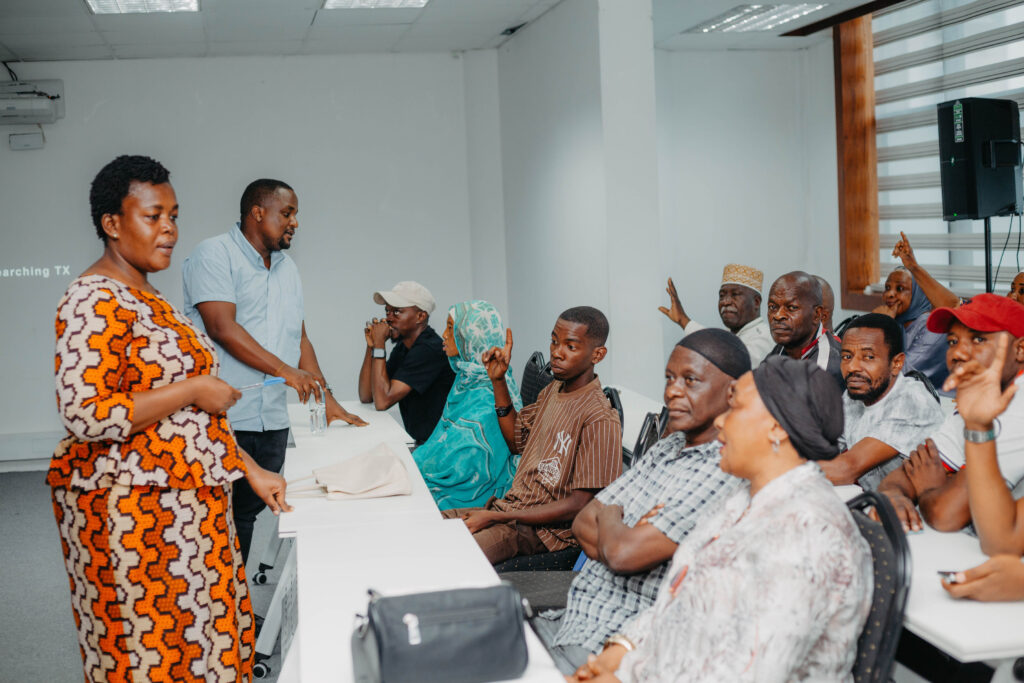
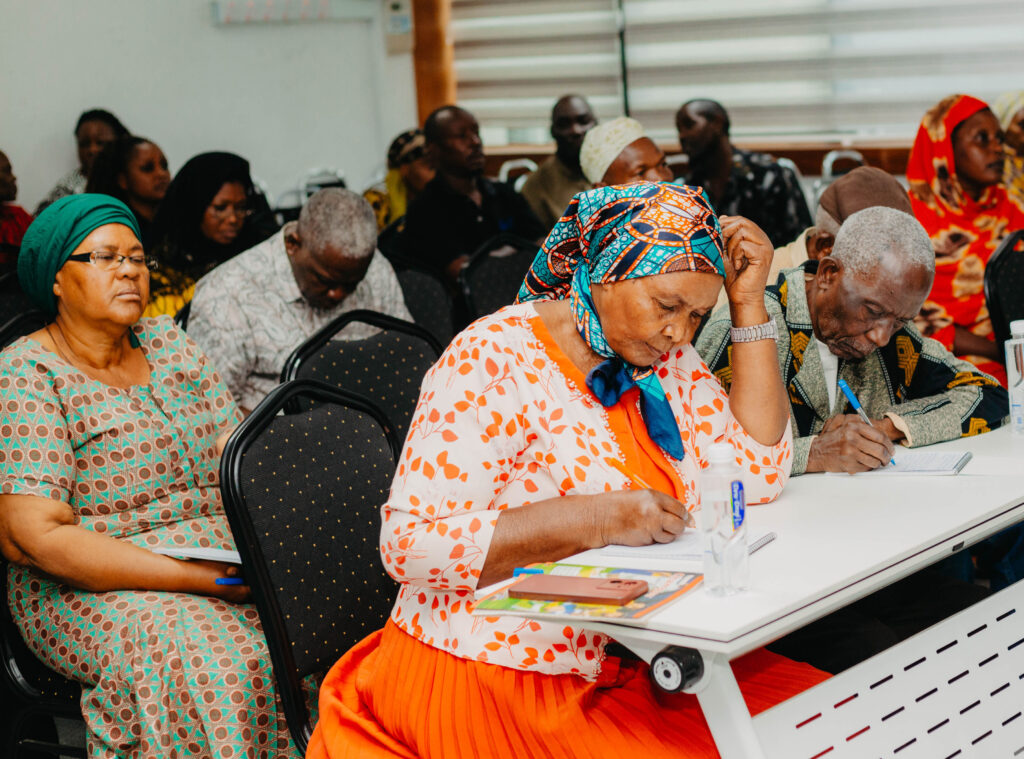
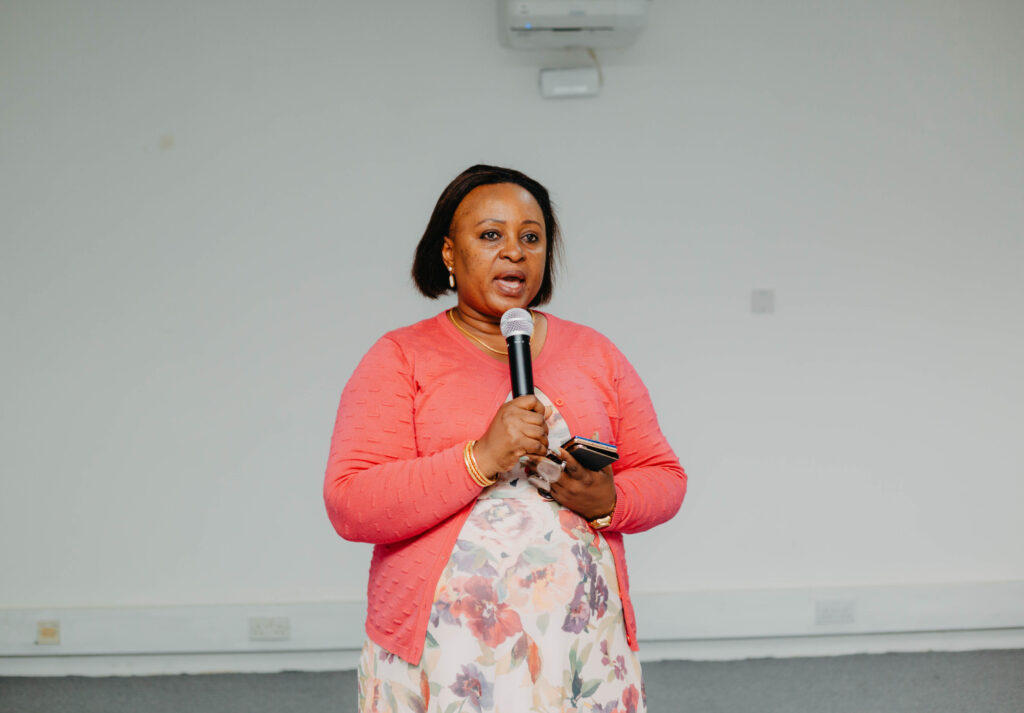
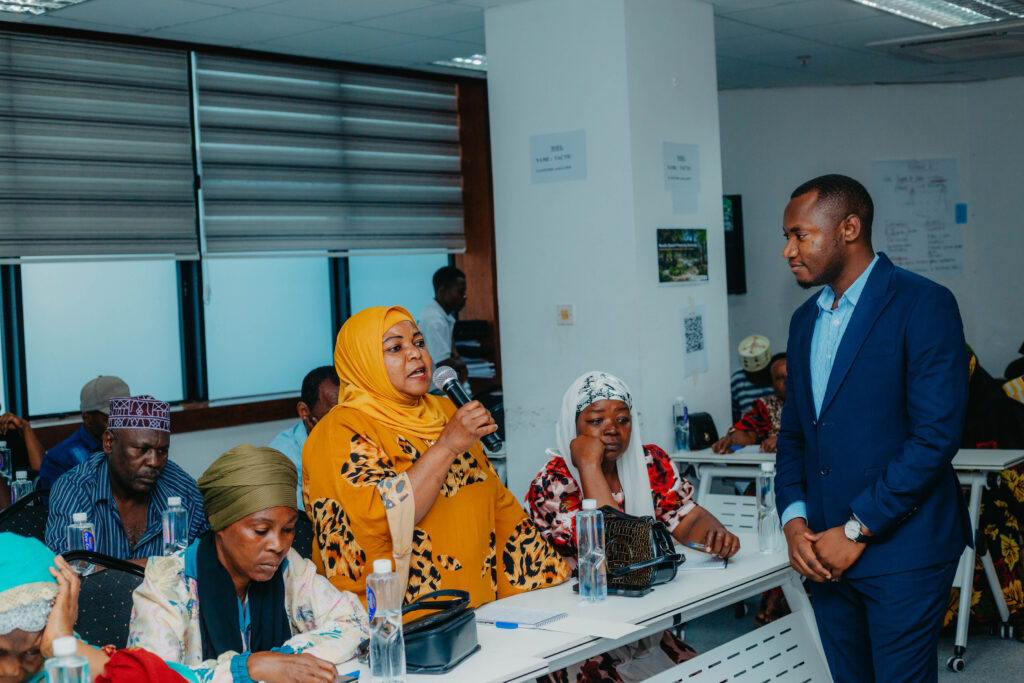
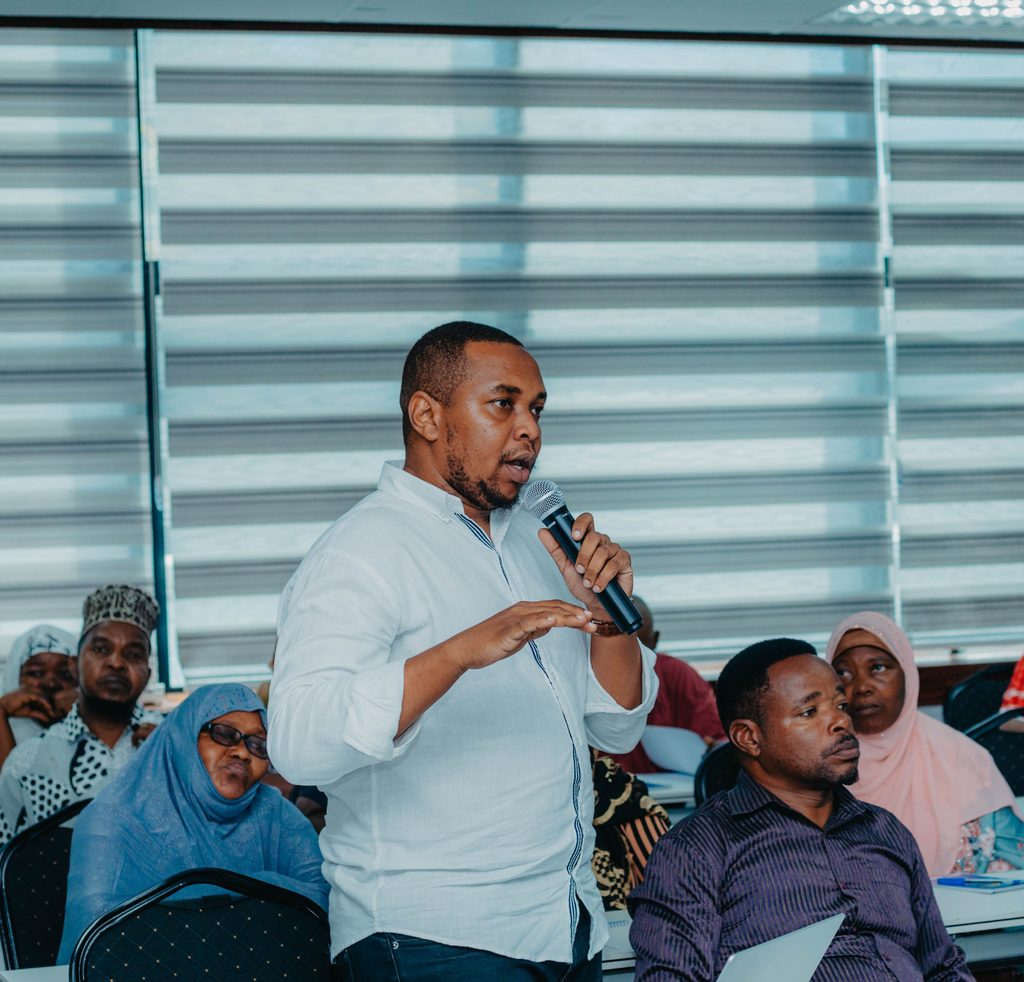
To maximize accessibility and impact, all sessions are being conducted in Kiswahili. The methodology relies heavily on practical examples and interactive discussions tailored directly to the participants’ current economic circumstances. Over the next four days, the program will continue with an intensive schedule of two daily sessions, each accommodating 100 PAPs, to ensure all targeted groups are reached successfully.
Comprehensive Curriculum: The Three Pillars of Finance
The training curriculum is anchored in a comprehensive financial guide that breaks down economic empowerment into three foundational pillars: generating income, managing finances, and growing wealth. This structured approach aims to equip participants with the tools to build a secure, long-term financial future.
- Generating Income (Tengeneza): Participants are taught how to increase their earning capacity through targeted skill development, career growth, and entrepreneurial ventures. The training emphasizes the importance of market research and business planning to execute ideas with discipline. It also encourages exploring secondary income streams, such as freelance work or leveraging personal talents into viable services.
- Managing Finances (Simamia): A core focus of the program is daily financial discipline, teaching participants to assign a specific purpose to every shilling before the month begins. This management pillar covers:
- Distinguishing between essential needs; like food, water, and shelter; and discretionary wants, noting that circumstances can sometimes shift a want into a need.
- Tracking all daily expenses, no matter how small, to identify areas of waste and realign spending with personal priorities.
- Building an emergency fund capable of covering three to six months of living expenses to protect against unforeseen events.
- Prioritizing the repayment of high-interest debts, seeking lower interest rates when applicable, and avoiding debt that does not generate a return.
- Growing Wealth (Ongeza): The final pillar introduces strategies to make savings work efficiently to generate future income. PAPs are introduced to diverse investment opportunities designed to reduce reliance on a single income source.
- Investment Channels: Participants learn the basics of investing in shares, mutual funds, and government or corporate bonds, as well as the potential of real estate to provide consistent rental income and long-term value appreciation.
- Risk Management: The training covers the crucial role of insurance; including life, health, property, and agricultural coverage; in restoring an individual’s economic standing following a disaster.
- Civic Responsibility: The curriculum details the role of taxes, managed by the Tanzania Revenue Authority (TRA), in funding vital national development and public services like schools, hospitals, and infrastructure.
The overarching goal of the Msimbazi Basin Development Project’s FLT is to translate theoretical education into actionable behavioral change. Participants are encouraged to adopt a practical 30-day execution plan that begins with improving a marketable skill in the first week, setting up automated savings in the second, exploring suitable investments in the third, and reviewing their financial progress by the fourth week. Through these ongoing daily sessions, PAPs are actively building the foundation to identify viable livelihood opportunities, strengthen their existing income-generating activities, and secure their ongoing financial independence.